

St. Anselm's Abbey School
Make A Selection:
St. Anselm's Abbey School
Make A Selection:
Benedictine Learning Center
Owner: St. Anselm’s Abbey School
Architect: CGS Architects
Location: Washington, DC
Size: 8,000 SF
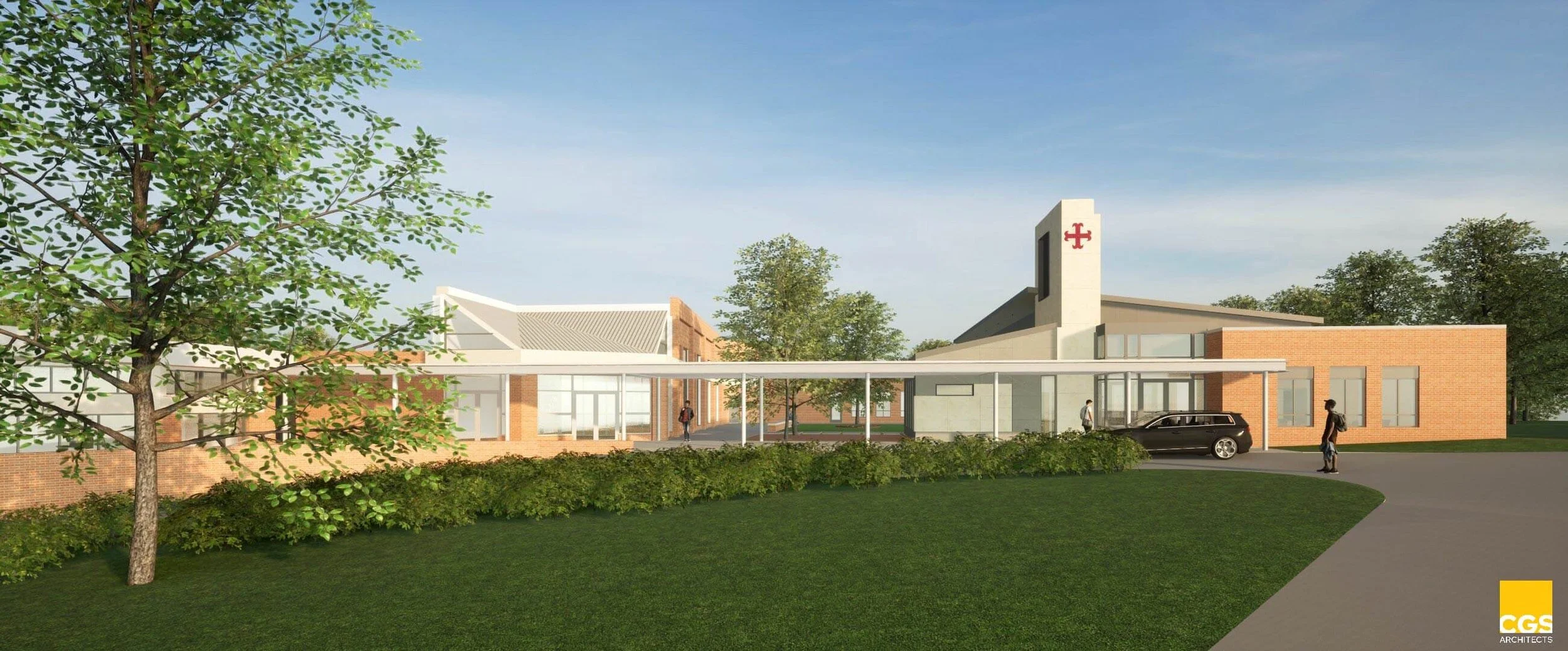
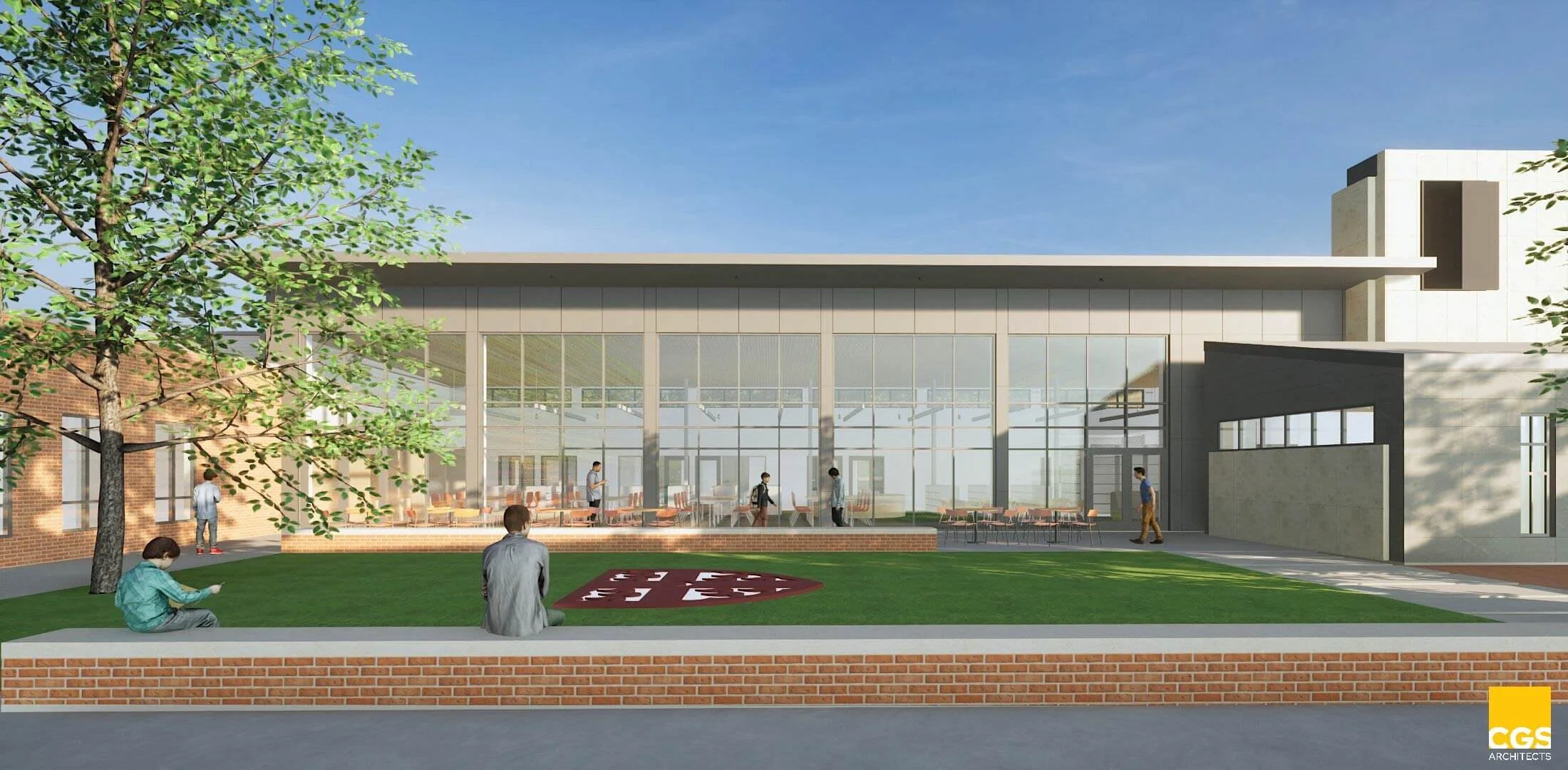
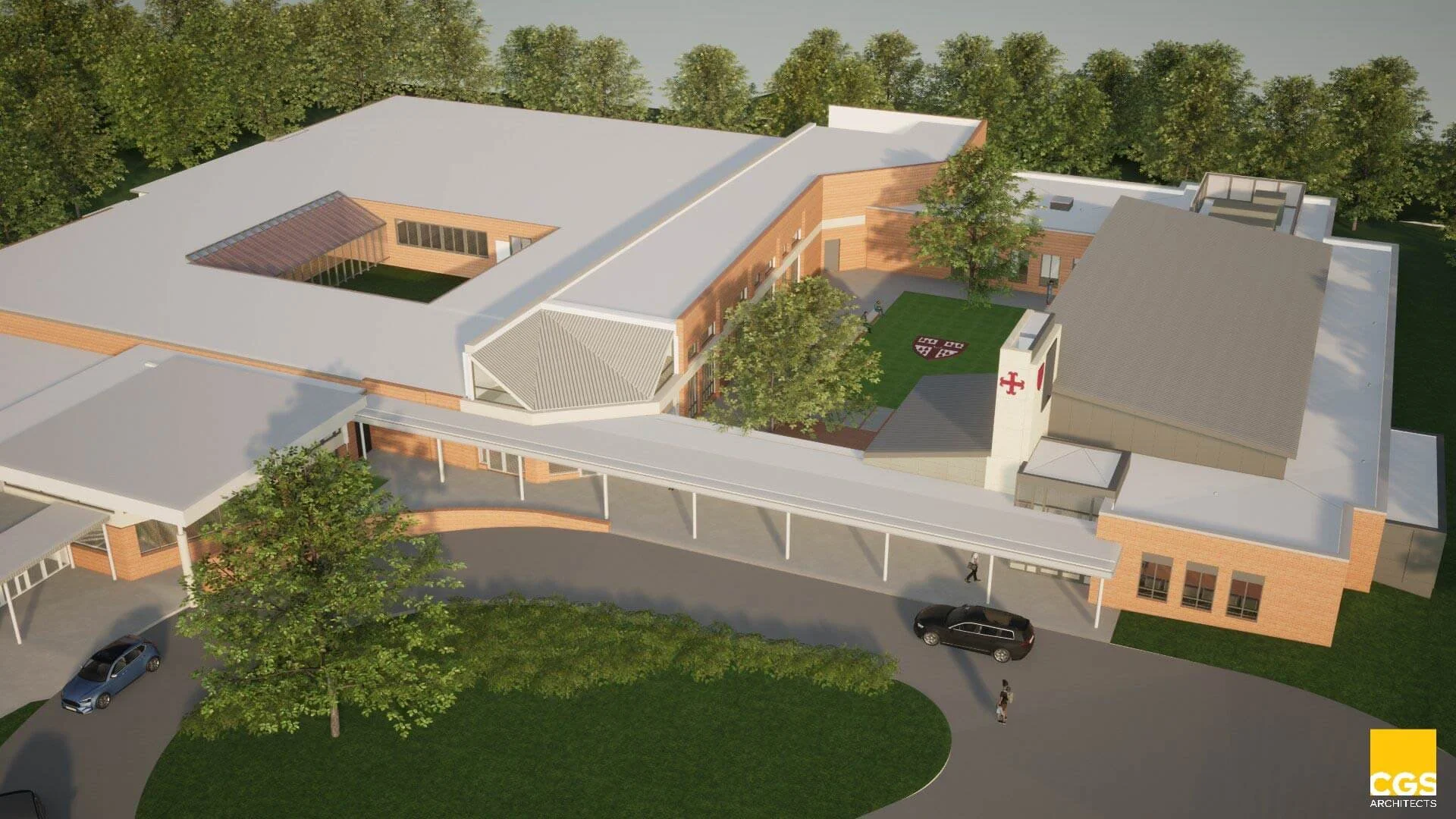
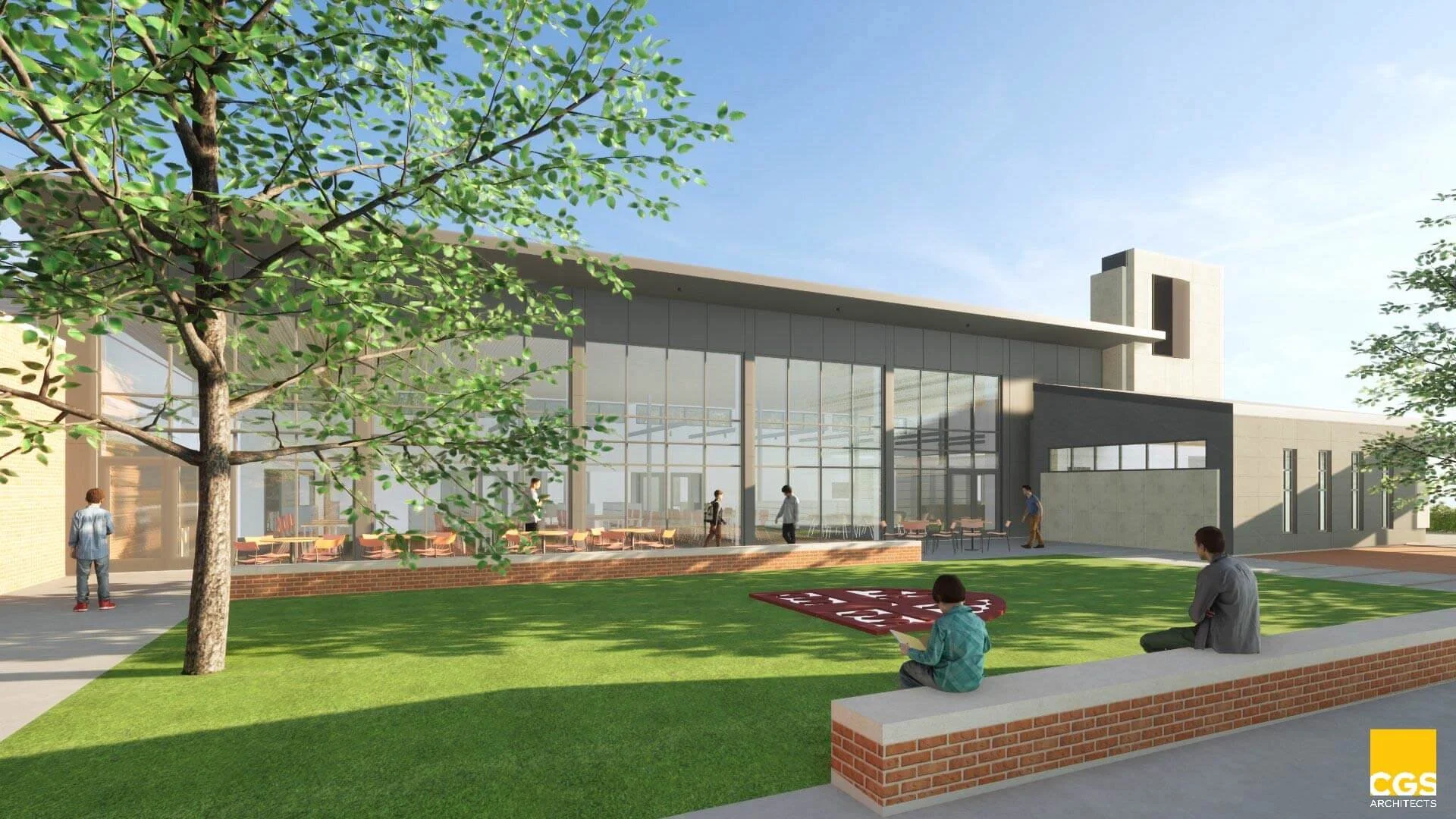
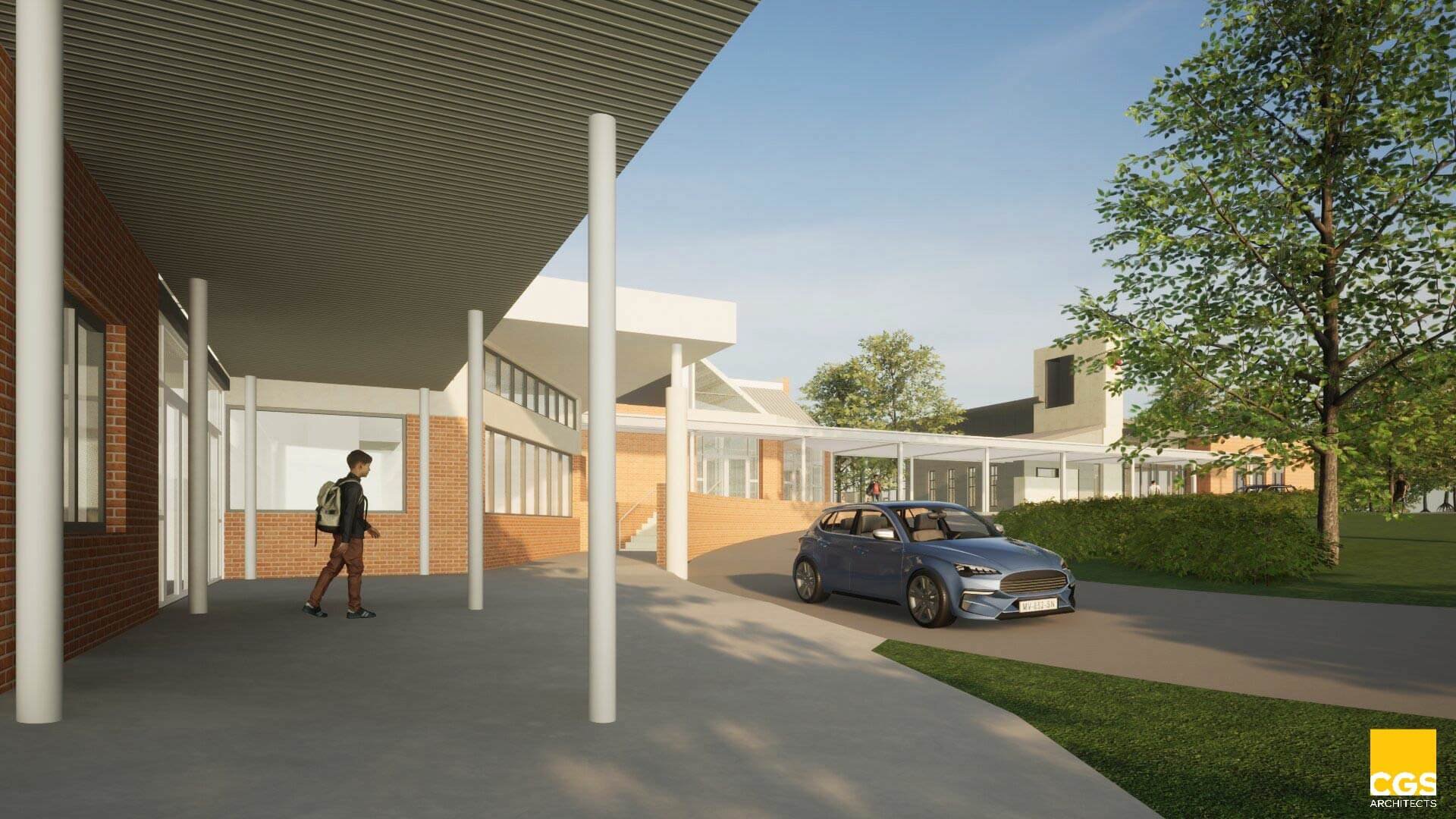
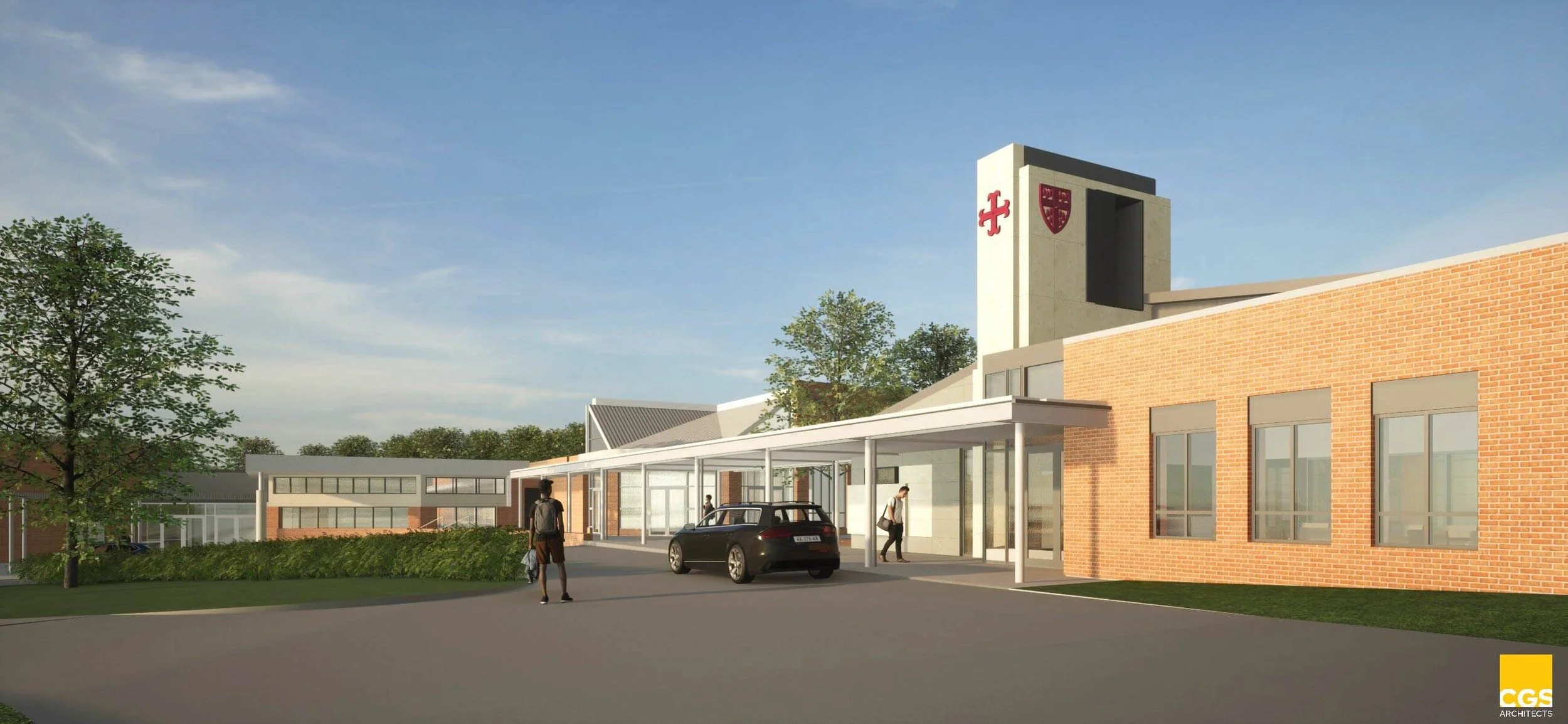
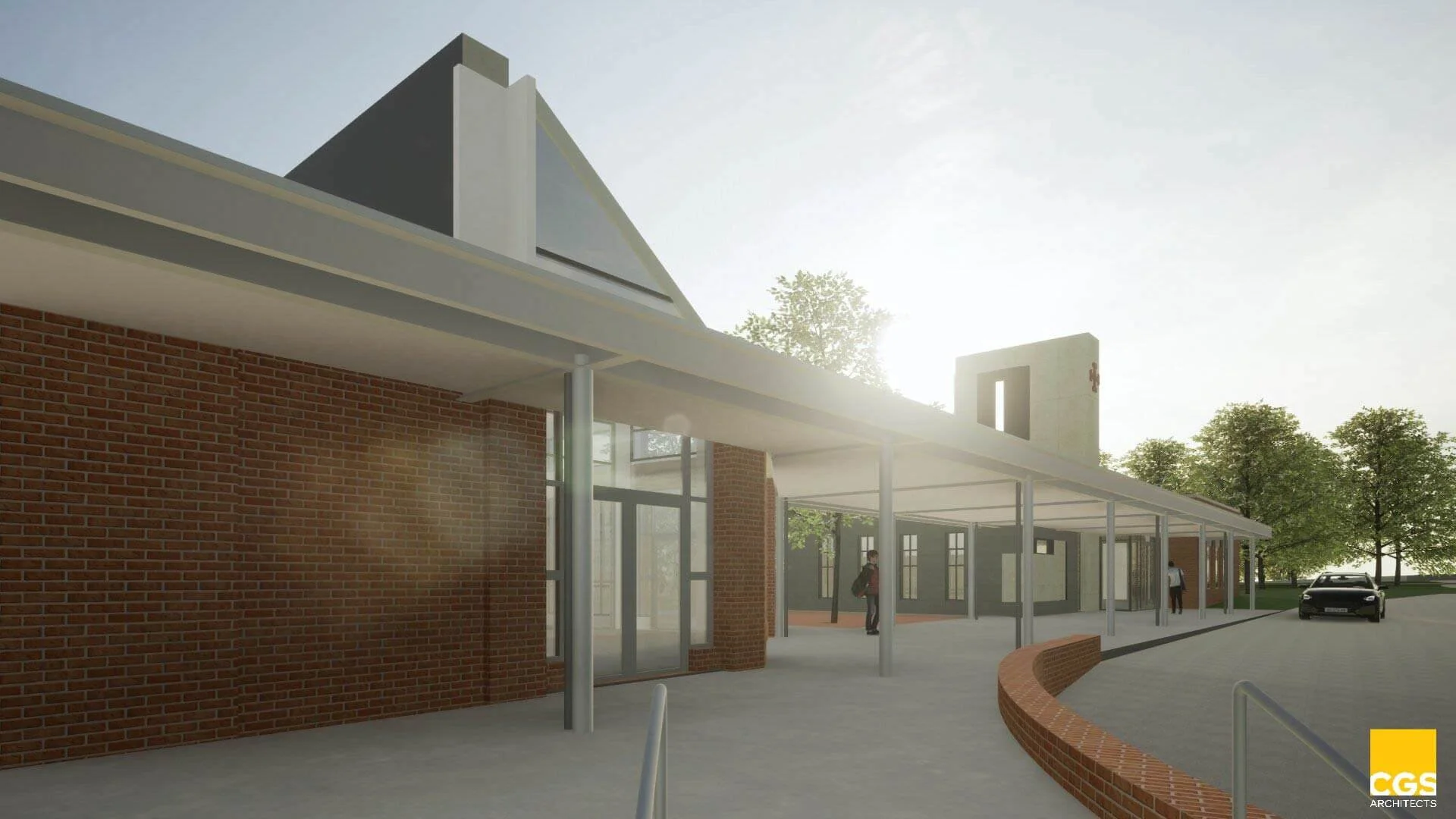
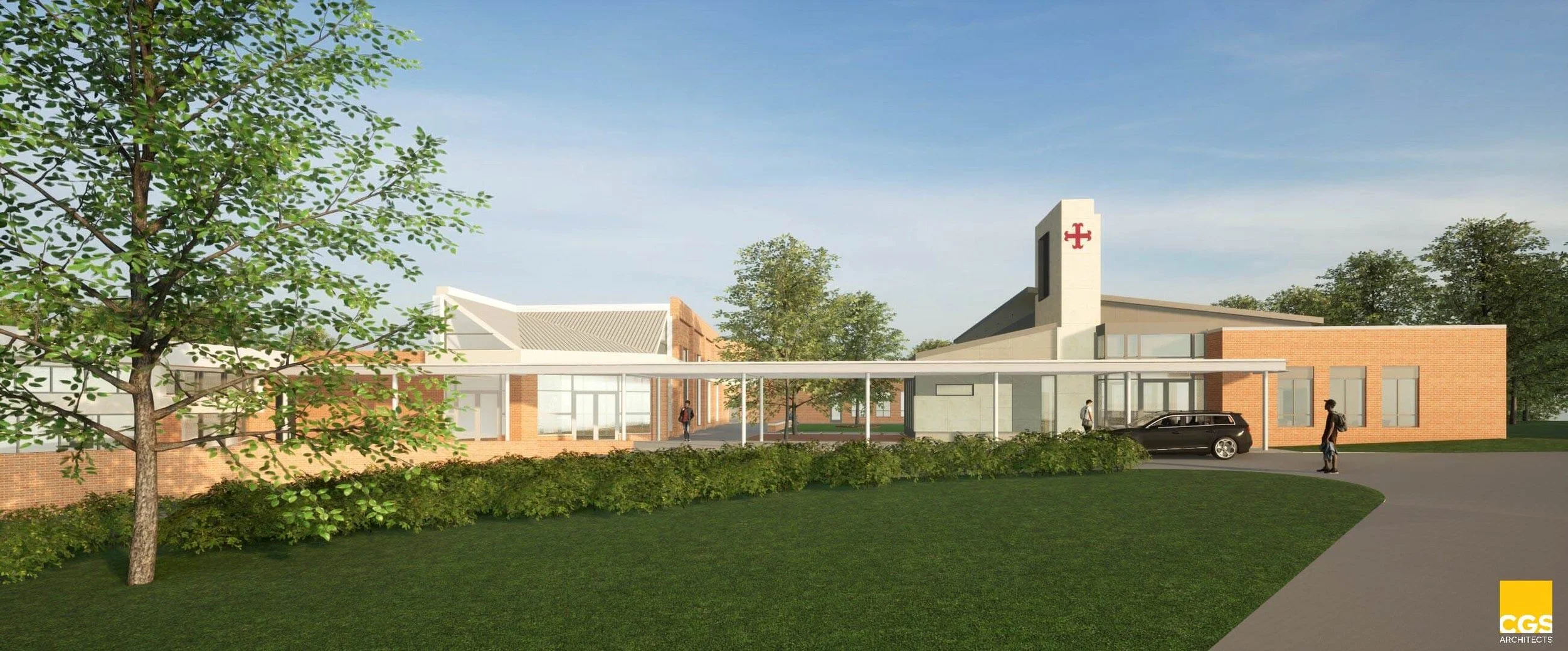
The Benedictine Learning Center is a new academic facility on the campus of St. Anselm's Abbey School that brings together library, classroom, administrative, and student support functions within a thoughtfully integrated learning environment.
The project replaced temporary and aging facilities with permanent spaces for admissions, campus ministry, faculty offices, classrooms, and a modern library. Organized around a central courtyard and gathering spaces, the building was designed to support a variety of learning styles, from collaborative group work to independent study and quiet reflection.
A defining feature of the project is the new commons and library space, which opens to the courtyard through expansive glazing, creating a strong connection between indoor and outdoor environments while maximizing natural daylight. Covered walkways, enhanced campus circulation, and welcoming arrival areas further strengthen the connection between the new facility and the existing campus.
Constructed within an active educational environment, the project required careful planning and coordination to maintain campus operations throughout construction. Upon completion, the Benedictine Learning Center provides St. Anselm's Abbey School with a modern academic hub that supports its educational mission while reflecting the school's longstanding Benedictine traditions.
Renderings Courtesy of CGS Architects

Devine Performing Arts Center & Gymnasium
Owner: St. Anselm’s Abbey School
Architect: CGS Architects
Location: Washington, DC
Size: 40,000 SF
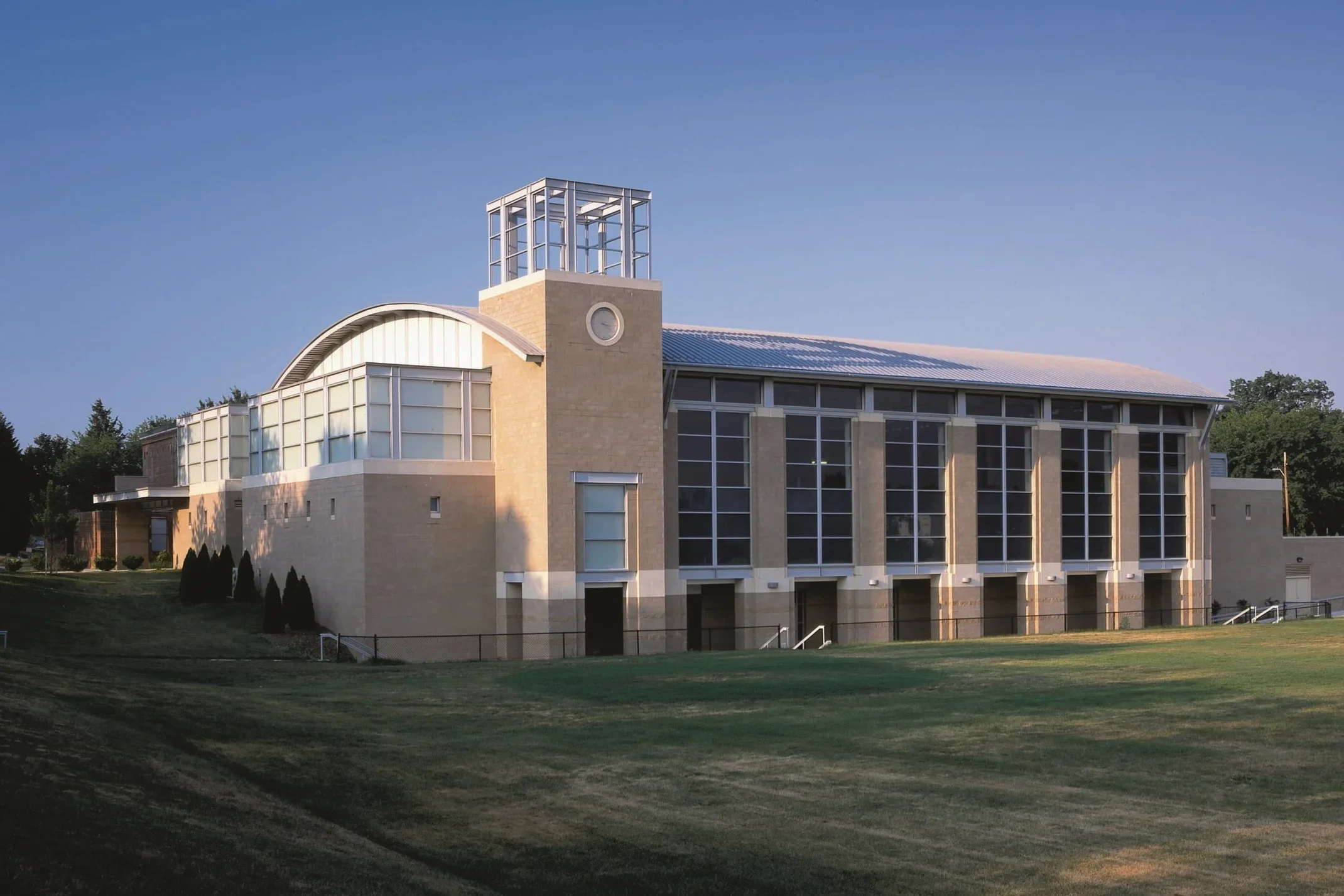
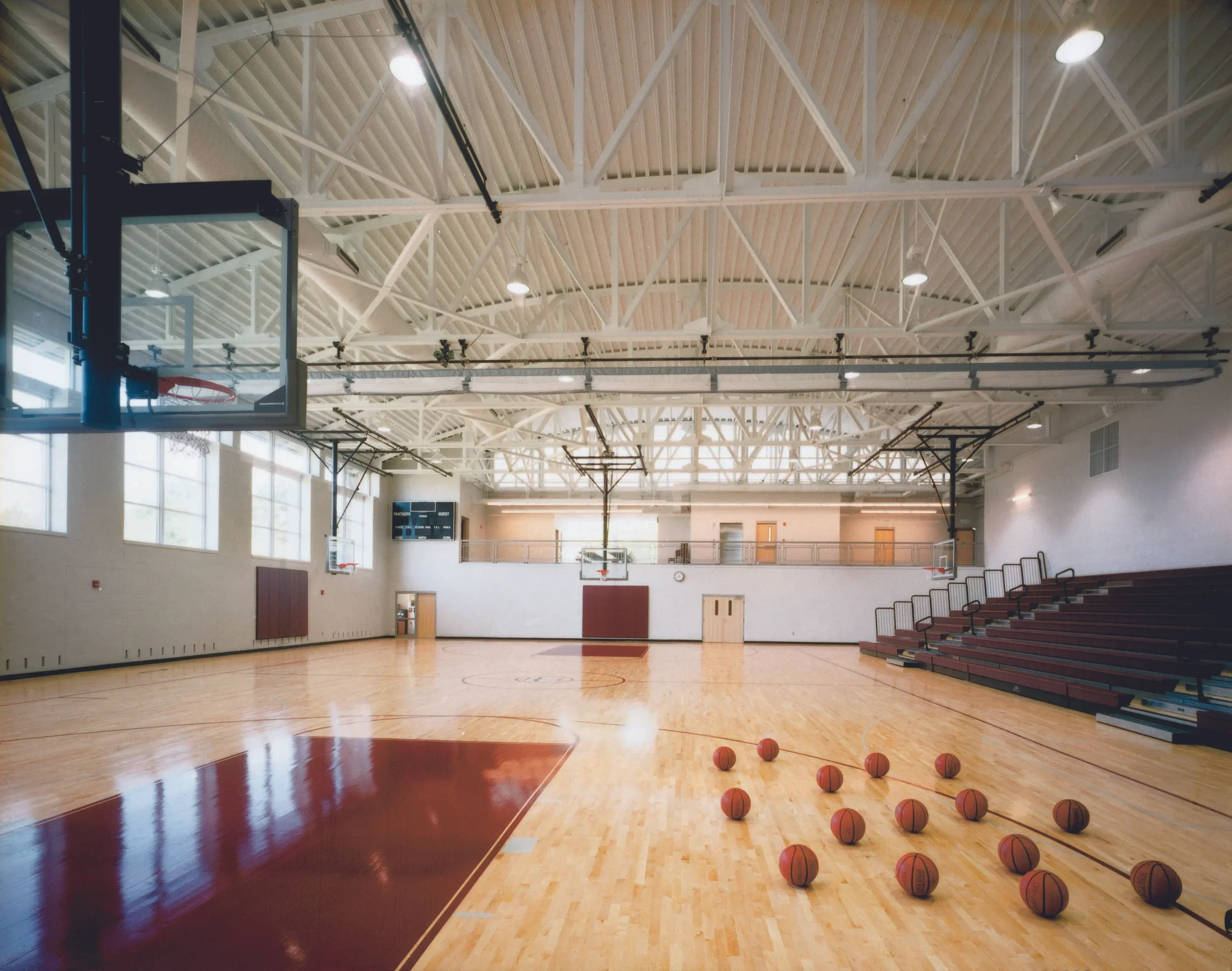
The St. Anselm’s Abbey School Gymnasium and Devine Performing Arts Center project was completed in two phases on the school’s Washington, DC campus.
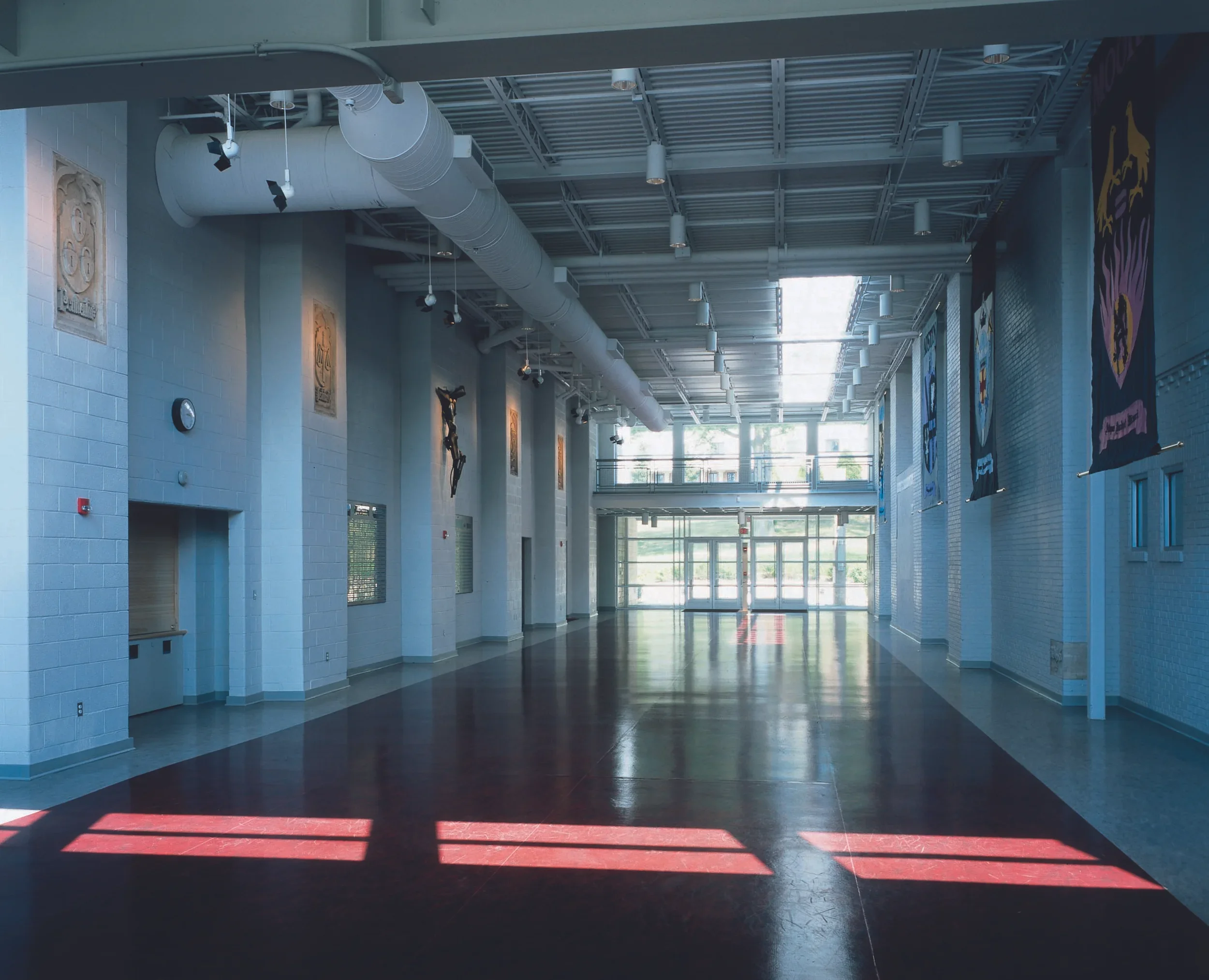
Phase I included construction of a new gymnasium and cafeteria, expansion of the parking area, utility relocation, and associated site work. The new facility is accessed through a two-story atrium that serves as the student cafeteria and incorporates the original brick and ornamental precast façade from the existing gymnasium. Select precast elements were carefully removed, stored, and reinstalled to support new door openings while preserving the character of the original structure.
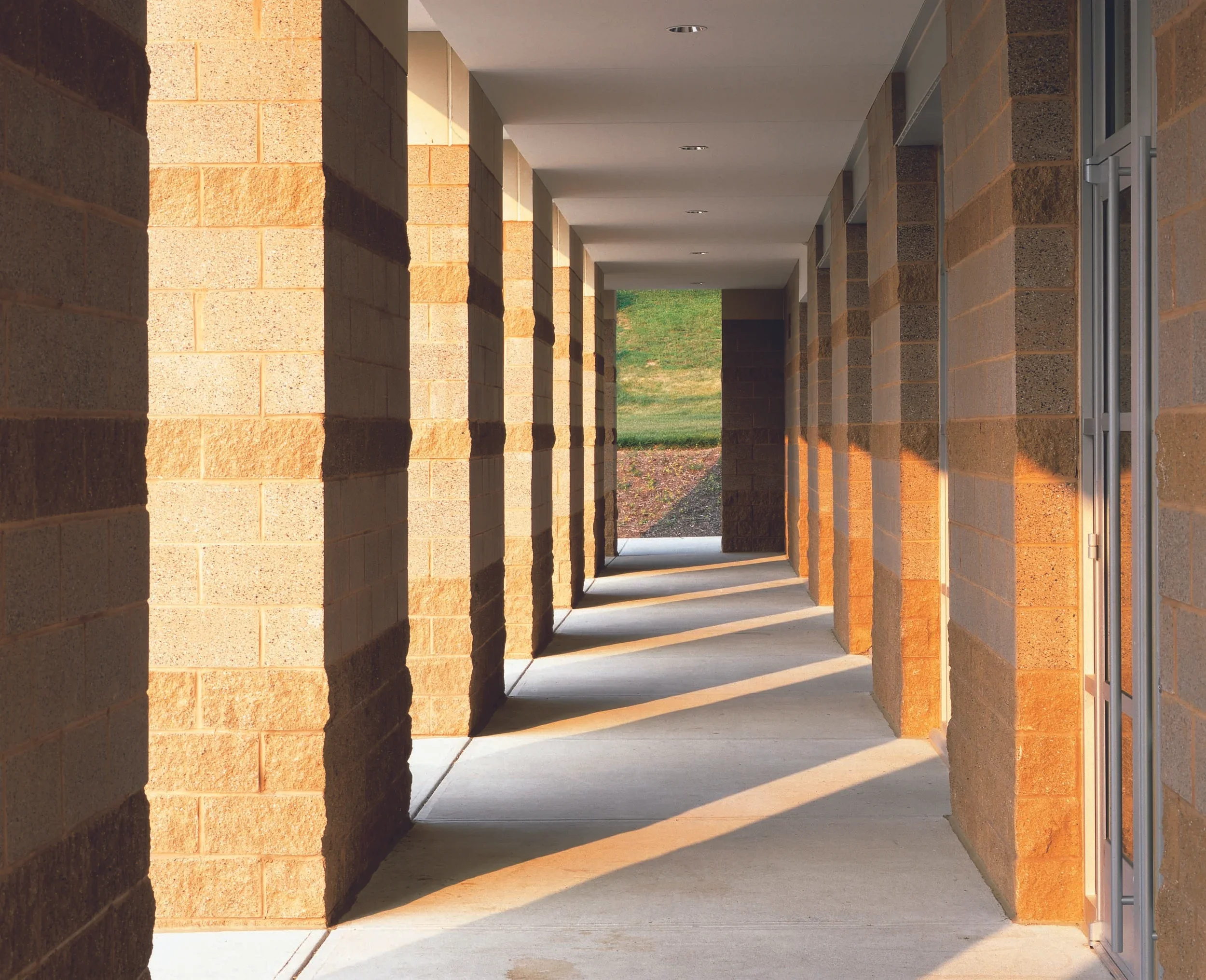
The new building features a steel structure on spread footings, split-face block and precast concrete exterior panels, a combination standing seam and built-up roof, and upper aluminum windows with clear and opaque glass to bring natural light into the gymnasium while controlling direct sunlight. A clock tower with a precast clock anchors the north elevation.
Phase II transformed the former gymnasium into the Devine Performing Arts Center, creating a modern venue for performances, assemblies, and educational programming. The renovation included extensive structural modifications, installation of a sloped floor for theater seating, construction of a new stage, and the addition of classrooms and a boardroom. The completed theater features state-of-the-art sound and lighting systems capable of supporting theatrical productions, concerts, films, lectures, and other community events.
Senior Wing
Owner: St. Anselm’s Abbey School
Architect: Geier Brown Renfrow
Location: Washington, DC
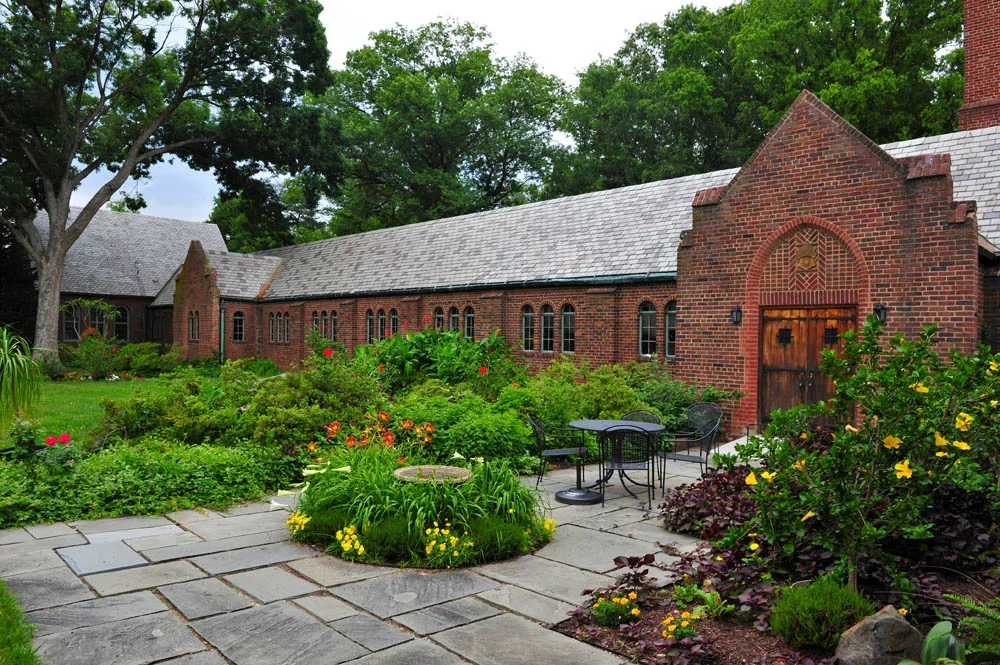
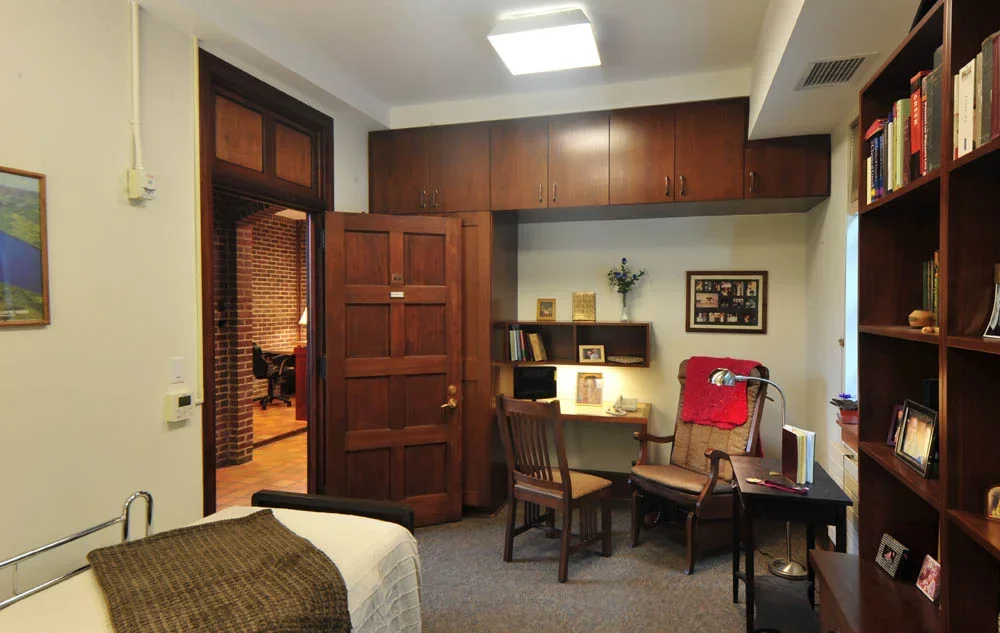
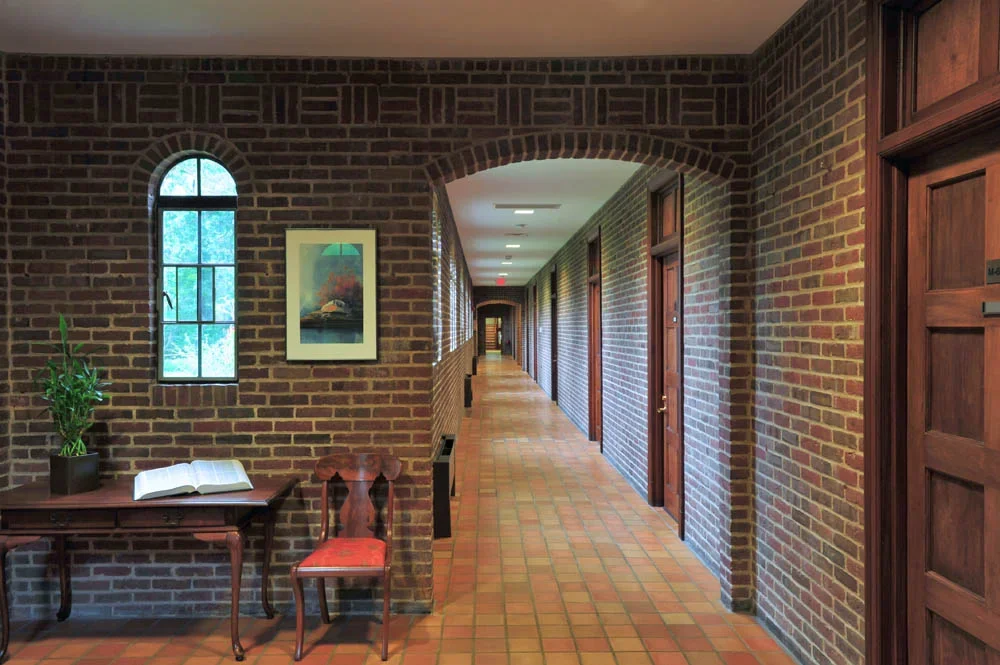
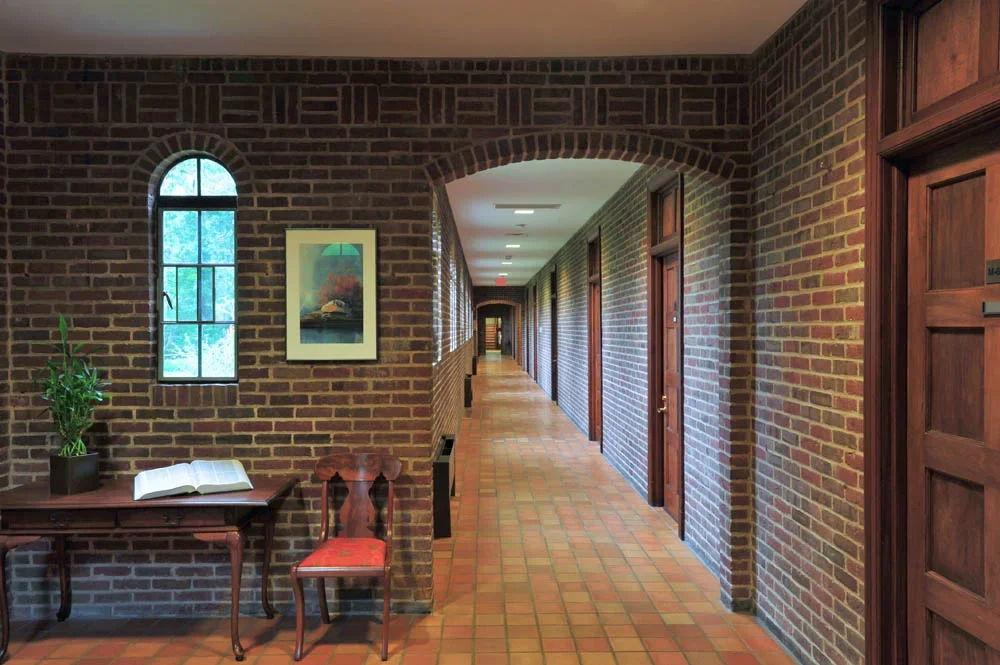
This renovation transformed an existing monastery wing into assisted living accommodations for the elderly monks of St. Anselm's Abbey. The project included the construction of private bedrooms, accessible bathrooms, a dispensary, and a centralized mail room, creating a comfortable and supportive residential environment tailored to the needs of the Abbey's aging community.
Completed within an active monastery campus, the work required careful coordination to minimize disruption to daily operations while maintaining the character of the existing facility. The project reflects a continued partnership with St. Anselm's Abbey and a commitment to delivering thoughtful renovations within occupied and mission-driven environments.